WELD 2025 Annual Report
Note from Patrick, our Executive Director:
“WELD’s philosophy informs how we do our work, the design of our programs, and most importantly how we connect with the people we serve.
We are proud of the work accomplished in 2025, despite it being a year of uncertainty for many in our state and in our country. We continue to learn how WELD can have a greater impact, not only for our individual members, but also for their families and communities.
We have also grown in our understanding of the power of this work. The capacity of the human spirit to heal and move in the direction of renewal is something we witness daily. It is very, very hard work and the results are incremental, but we can’t imagine a more meaningful and valuable effort.
Our appreciation for our staff, board, members, and supporters is limitless. Thank you for being on this journey with us.”
Why WELD?
Thousands of our neighbors in King County are coming home, seeking housing, and rebuilding in recovery, often at the same time.
Without housing, income, and support, it’s harder to stabilize after incarceration and sustain recovery.
These realities overlap. After release, people face an invisible second sentence, barriers to housing, work, and basic stability because of a record. When support is missing, it’s easier to lose housing, lose momentum, and return to use just to cope.
What WELD provides
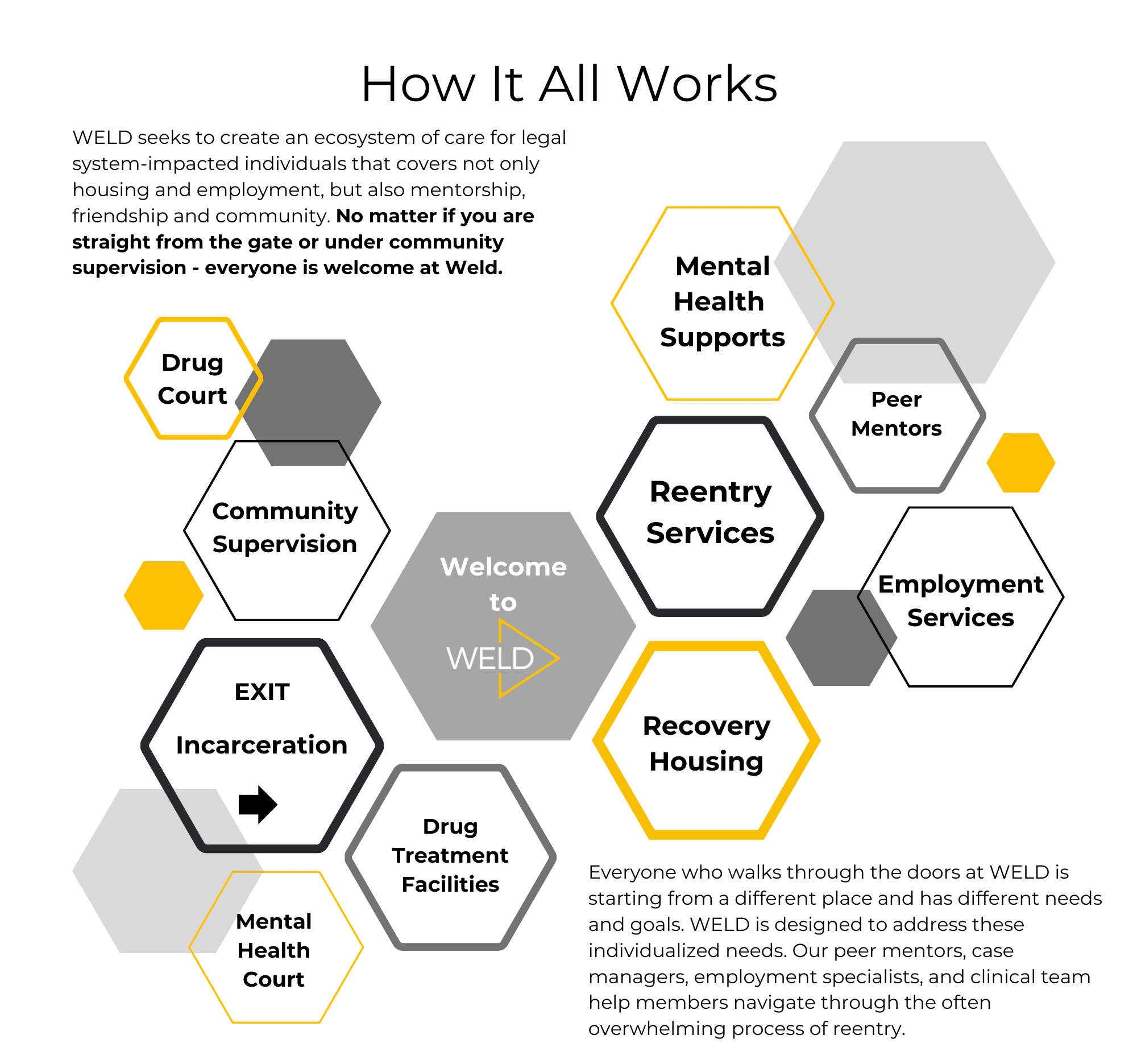
Housing: A stable place to land, plus support to stay housed.
Employment: Real work and coaching that builds income and confidence.
Wraparound support: Peer-led community plus WELD Month, life skills, digital literacy, and clinical mental health support.
The Reentry Journey
WELD believes that punishment does not equal healing. Healing begins where punishment ends.
Reentry Starts Here.
WELD defines Reentry as the long-term process of rebuilding life after incarceration, homelessness, or substance use. The most visible needs are practical, housing, employment, reconnecting with family, meeting supervision requirements. But lasting success also depends on something deeper: the internal work of healing, growth, and self-discovery.
Our Reentry programs are evolving to meet real life.

In 2025, WELD overhauled our employment model to better serve people on their reentry journey. Our new Employee Social Enterprise model hires participants to become WELD employees to work on peer led crews. Crews execute service agreements with private and public partners that positively impact our communities. Services include landscaping, litter abatement, park maintenance, and more. The goal is simple: create an onramp to the economy with meaningful employment in a safer peer led culture.
WELD Month is a foundation for change.

WELD Month is a structured, peer-led cohort that gives members time to reset, reflect, and build new habits that support recovery and stability. In 2025, we expanded the program with additional volunteer-led workshops, including financial literacy support from partners like WaFd Bank.
• 2025 WELD Month graduates: 119
Housing that supports recovery.
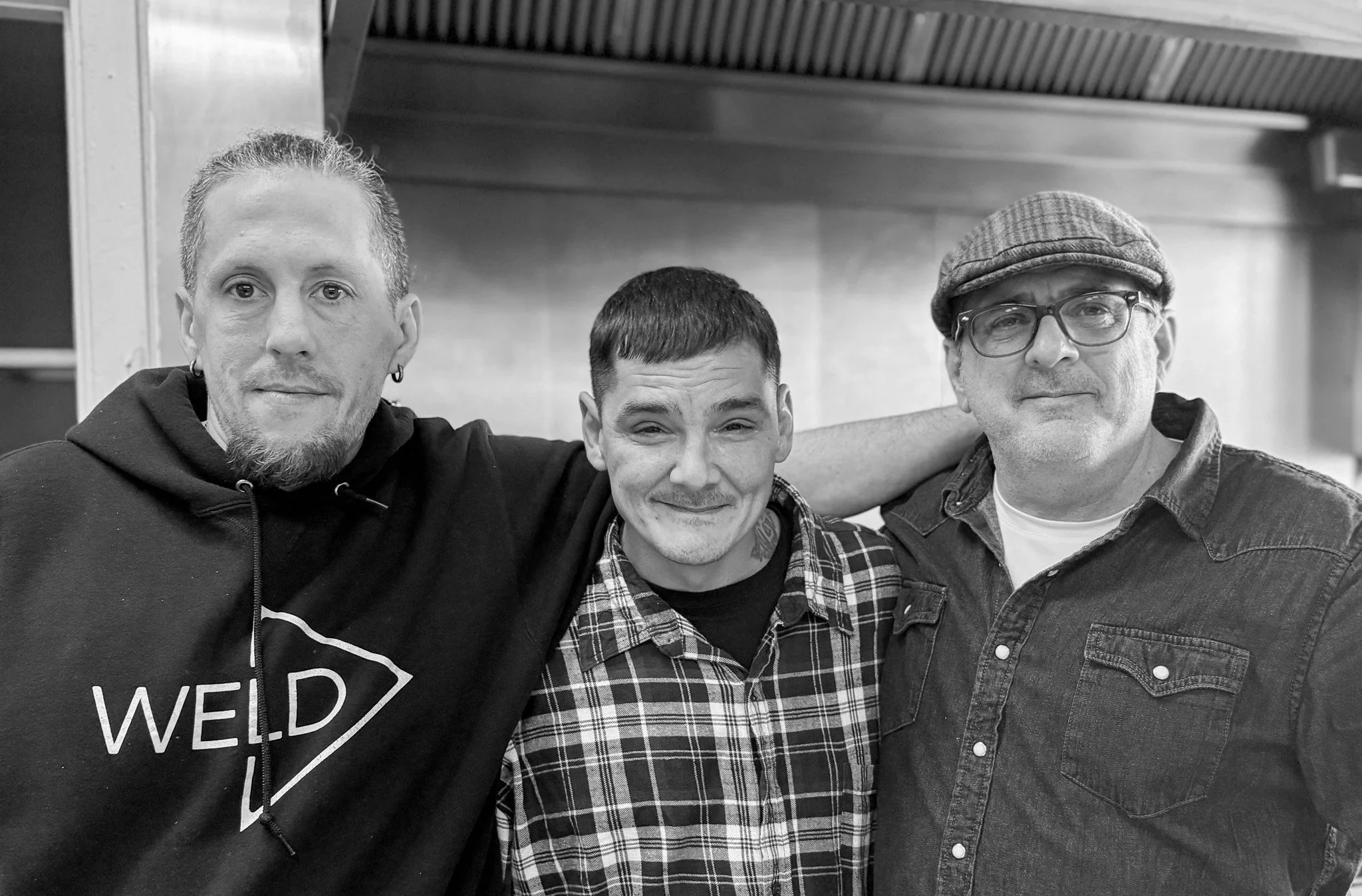
WELD continues to provide safe, clean, sober housing where people can focus on stability. In 2025, our large University District house remained a strong example of what’s possible when residents have a dignified place to live and a community that expects and supports growth and do so in a larger communal environment.
Building what’s next: 1426.
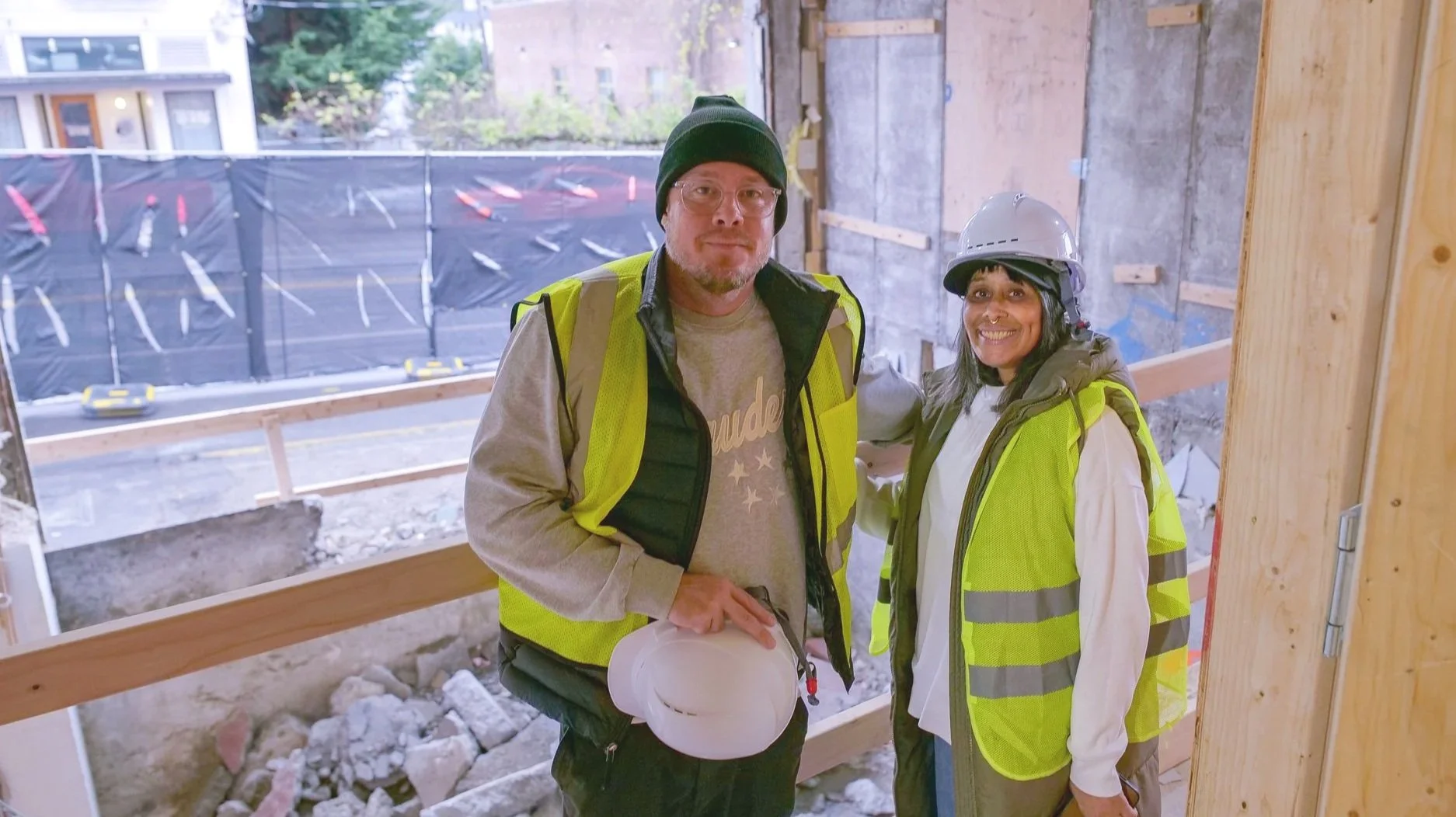
In 2025, we broke ground and began construction on 1426, a future home for belonging, skill-building, community, and accountability.
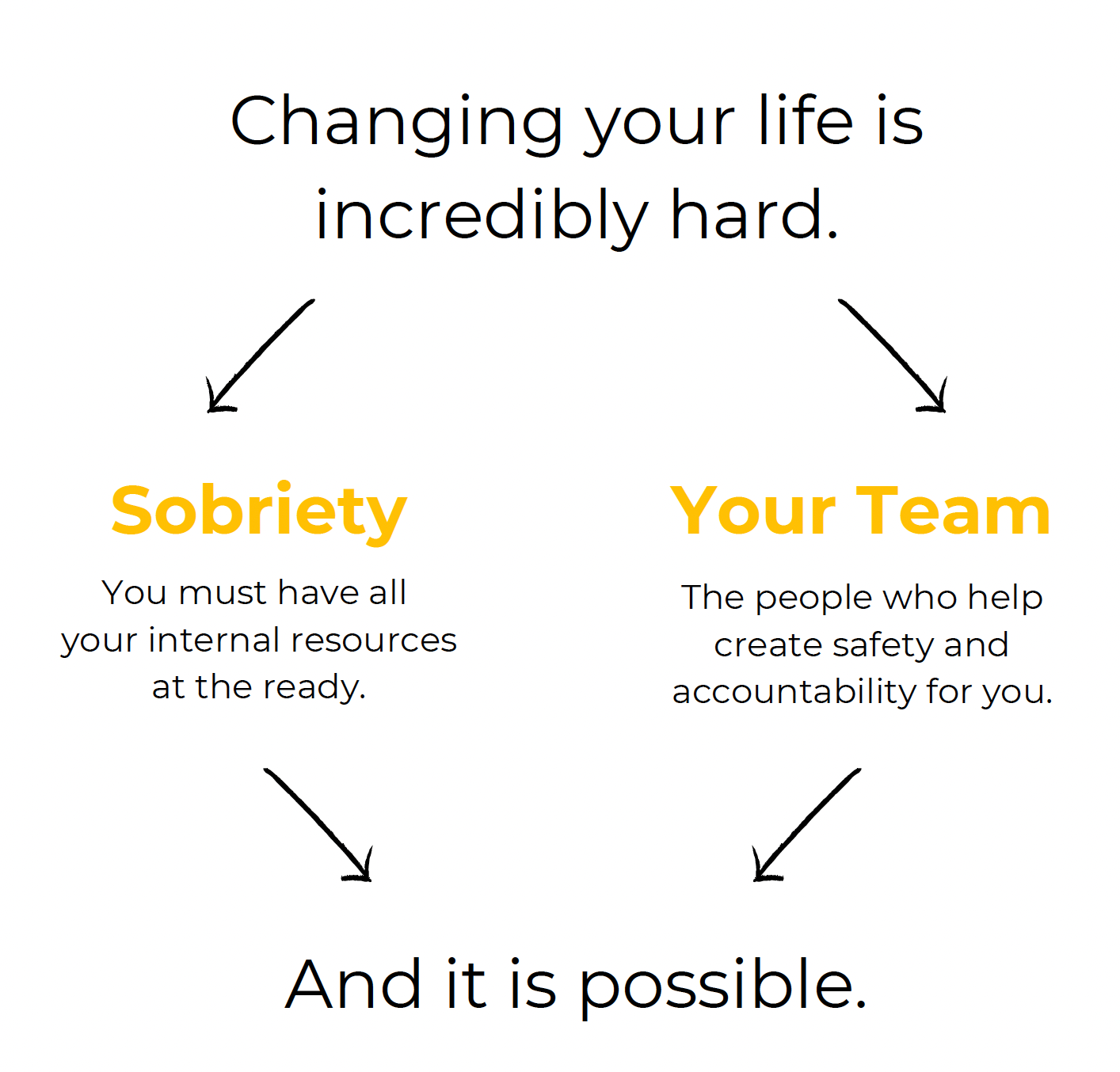
Reentry takes more than willpower.
It takes tools and a team.
The graphic above shows that long-term change takes both inner strength and the right people around you. In 2025, WELD focused even deeper on building that team around our members through safe recovery housing, paid employment, and wraparound support that helps people stay steady day by day.
2025 Program Highlights
Recovery Housing
WELD provides clean and sober recovery housing for people rebuilding after incarceration and substance use. Housing is not just a roof. It’s the stability that makes everything else possible.
Our homes are peer-informed and accountability-based, supported by staff and trusted mentors. Members build life skills, participate in recovery, contribute through monthly dues, and become part of a healthy home community.
• 251 people housed in 2025
• 74 people who moved into permanent housing
Highlight: ZBT House: A stable first step
In 2024, WELD’s men’s recovery housing took a major step forward with a unique home in Seattle’s University District, a former fraternity house now serving as a communal, clean and sober residence for up to 40 men.
The building is being loaned to WELD by Gabe Rosenshine, a developer with Alchemy. It has become more than a place to sleep. It’s a place where men can stabilize, build routines, and lean on each other as they rebuild. Recovery meetings happen on-site. Sundays include shared breakfast. Staff can support residents more consistently because people are together in one place.
This home has helped prove a core part of WELD’s housing model: the strongest first stage is a centralized, communal setting with clear expectations and support. As residents get grounded, they transition into WELD’s other houses and apartments, where there’s more responsibility and autonomy, before moving on to permanent housing.
Employment (WELD Works)
Our Employee Social Enterprise helps to build confidence, increase skills, and provide income for our members. It's an opportunity to begin practicing the skills they learned in WELD Month in a peer led work environment.
In 2025, our crews showed up for community-based projects with partners like the City of Burien, CID Business Improvement Association, and Historic South Downtown. Crews kept public spaces safer and cleaner while putting wages directly into their pockets.
2025 WELD Works snapshot
16 members employed
2,752.75 total hours worked in the field
$63,237.02 paid directly to members
Community impact (2025)
8,190 gallons of trash removed
1,500 used needles collected
150 cubic yards of dumped debris removed
1,500+ cubic yards of invasive vegetation and leaves cleared
Clinical Services
WELD professionalized case management throughout our programming. This brings WELD up to the standards of other behavioral health providers, while continuing to center lived experience within our programming.
• In 2025 WELD provided 1,835 hours of mental health support.
WELD Events
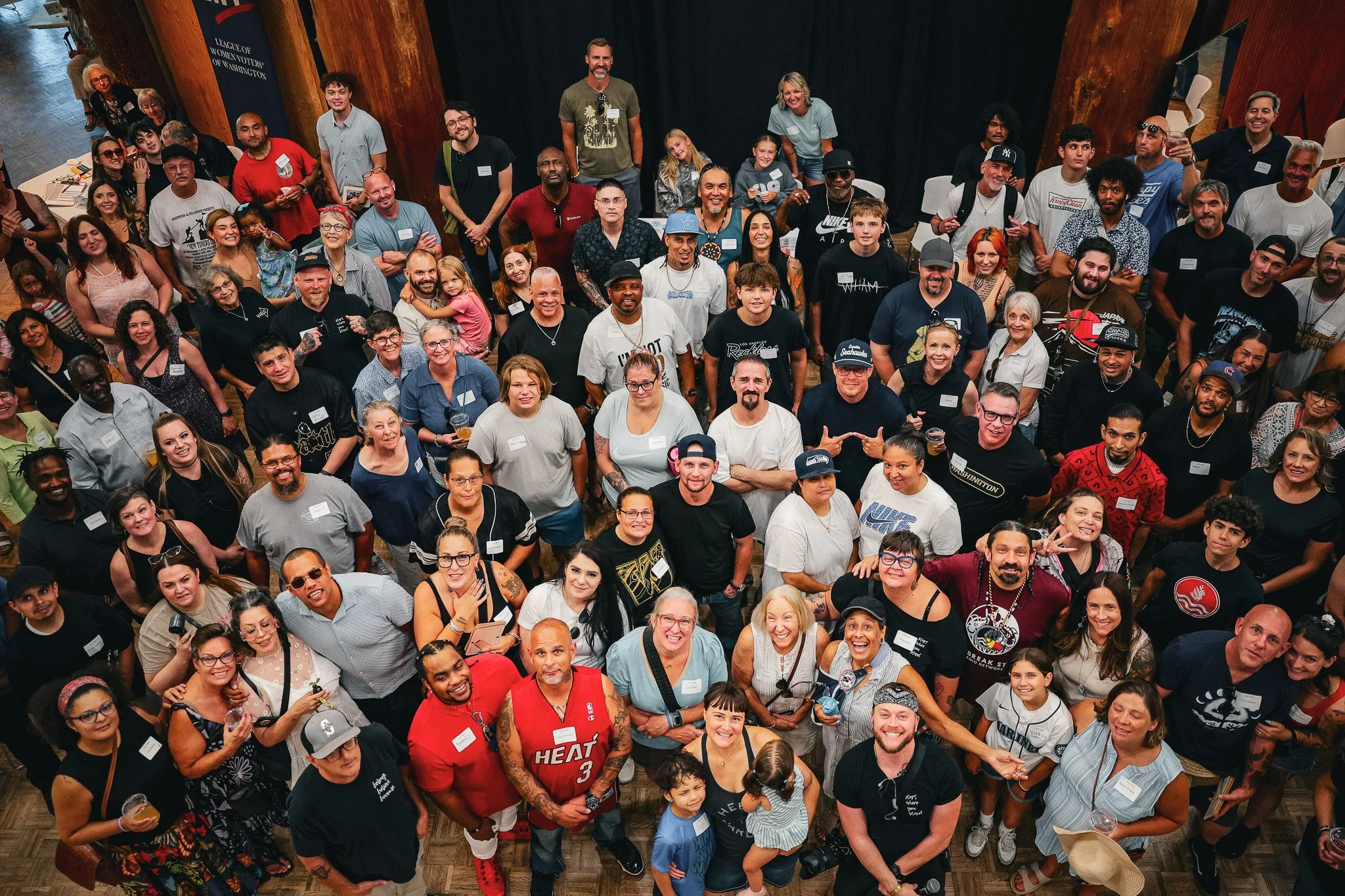
WELD Family Reunion
In 2025, WELD launched a new annual tradition: WELD Family Reunion. It’s a day for members past and present, their families and kids, staff and their families, and WELD supporters to come together and celebrate unity, recovery, and joy.
Our first Family Reunion brought together about 250 people, a powerful reminder of what’s possible when community is real, consistent, and built on connection.